
Home-Grown Botanicals for Radiant Skin
Welcome! Today we explore how to cultivate and harvest skin-loving botanicals at home, from tiny balconies to sunlit kitchen windows. Learn practical planning, gentle care, perfect harvest moments, and easy processing for safe, glowing use. Share your progress, ask questions, and subscribe for seasonal planting calendars and fresh recipes inspired by living plants.
Assessing Light, Temperature, and Humidity
Stand by each window at different hours and note brightness, warmth, and airflow across a week. A phone lux meter or simple shadow test helps gauge intensity. Track seasonal shifts, drafts, and radiators. Use humidity trays or pebble saucers where needed, and choose botanicals that genuinely thrive in your real conditions.
Selecting Botanicals for Clear, Calm, or Resilient Skin
Match intentions to plants: calendula for comforting dryness, aloe for cooling irritation, chamomile for soothing redness, rosemary for invigorating scalp and clarity. Consider sensitivities, medications, and pets. Plan small trials, keep notes, and always patch test before wider use, letting observations guide selections rather than trends or advertising promises.
Ethical Seeds, Starts, and Local Sourcing
Choose reputable organic seeds, untreated starts, and local nurseries that value biodiversity. Ask about provenance, neonicotinoids, and growing practices. Favor native or well-adapted species, avoid risky wild harvesting, and support small growers. Join community seed swaps to diversify genetics, reduce costs, and root your skincare garden in shared stewardship.
Mixing Soil That Breathes and Feeds
Combine compost for nutrients, coco coir or peat alternatives for structure, and perlite or pumice for drainage. Blend worm castings for gentle feeding and inoculate with mycorrhizae to expand root reach. Sterilize reused pots, label batches, and adjust ratios until water flows evenly without pooling or racing through.
Container Choices that Shape Root Health
Select terracotta for breathability and salt wicking, plastic for moisture retention, or fabric pots for air pruning. Always provide ample drainage holes and matching saucers. Size up gradually to prevent soggy media, and rotate containers for even light, sturdier stems, and balanced concentrations of aromatic oils.
Watering Rhythms that Prevent Stress
Learn the feel of your pots: check with a finger, lift to sense weight, and watch for slight droop before watering. Morning routines reduce mildew. Use room-temperature water, let chlorine dissipate, and consider rainwater for sensitive botanicals that respond with calmer growth and richer, skin-beneficial chemistry.
Soil, Containers, and Water That Support Potent Actives
Healthy leaves and petals come from healthy roots. Build a living, well-draining mix that holds moisture without suffocating. Mind pH, texture, and container size to avoid stress that dilutes beneficial compounds. Water deeply yet less often, and observe plant cues to fine-tune care over seasons.
Pruning and Pinching for Potent Growth
Pinch above leaf nodes to encourage branching and a fuller canopy that captures more light for essential growth. Remove yellowing leaves promptly for airflow. Sterilize shears between plants, compost trimmings responsibly, and track responses so you refine timing that boosts aromatic intensity without exhausting your botanicals.
Feeding Schedules that Respect Flavor and Safety
Overfeeding can push lush growth with diluted beneficial compounds and higher nitrate levels. Favor gentle, organic fertilizers at half strength, and pause one to two weeks before major harvests. Flush periodically to reduce salt buildup, and prioritize compost teas or worm extract for steady vigor and clean, skin-friendly tissues.
Harvest Windows and Gentle Handling
Timing can transform results. Harvest in late morning after dew dries, when aromatics peak and tissues bruise less. Choose buds, blossoms, or young leaves based on desired benefits. Use clean shears, breathable baskets, and shade. Work calmly, and label everything immediately to avoid confusion as your collection grows.
Drying That Preserves Color and Aroma
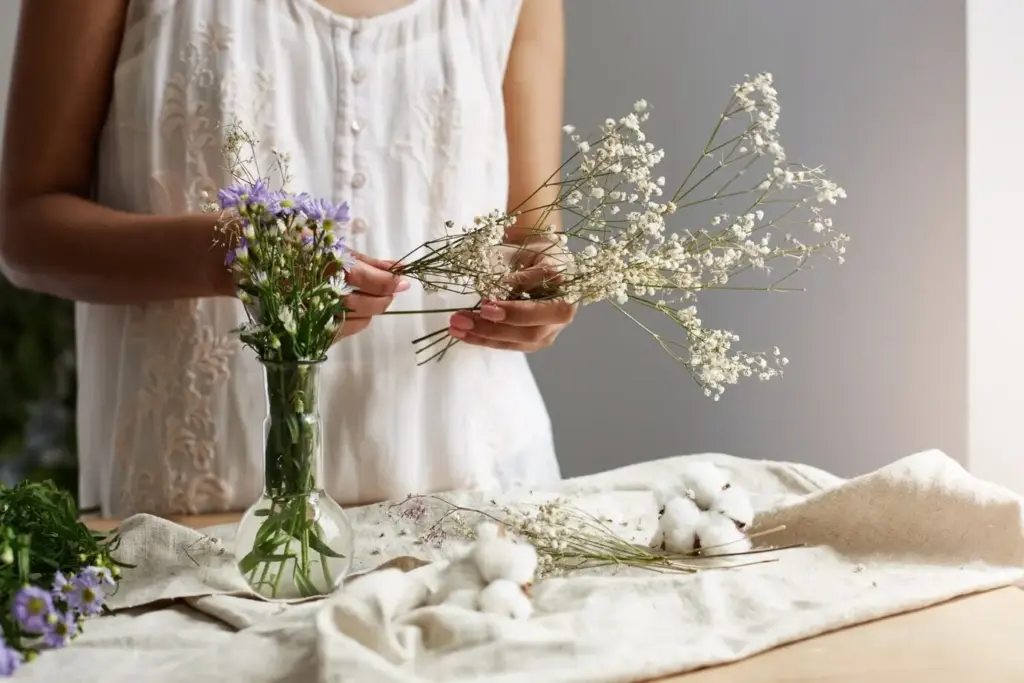
Spread thinly on screens or bundle small stems upside down in a dark, airy room. Avoid hot ovens that dull color. A dehydrator set low, around 35–40°C or 95–105°F, protects delicate compounds. Leaves should snap, not bend. Store immediately to discourage humidity from sneaking back in.
Oil and Glycerite Infusions for Gentle Care
Choose suitable carriers like jojoba, sweet almond, or fractionated coconut, and pack dried botanicals loosely for predictable ratios. Infuse in a dark cupboard or with a low, indirect heat bath, never in direct sun. Strain through sterile cloth, add antioxidants if desired, and document every batch for consistency and safety.
Simple Formulas and Everyday Rituals
{{SECTION_SUBTITLE}}

Cooling Aloe and Cucumber Soothing Gel
Trim a mature aloe leaf, drain sap briefly, then fillet the gel. Blend with strained cucumber juice and a tiny pinch of xanthan for texture. Refrigerate in a pump bottle for three days. For longer storage, research proper preservatives. Always patch test, and keep everything scrupulously clean during preparation.
Calendula Sunshine Oil for Comfort
Steep thoroughly dried calendula petals in jojoba for four to six weeks, shaking every few days. Strain bright gold oil and massage a few drops onto damp skin as a comforting cleanser or spot soother. Store cool, label clearly, and notice how consistency builds results gently over time.
All Rights Reserved.