




Petal distillates often smell closest to memory and emotion, yet they ask for patience. Avoid bruising while loading, keep heat tender, and let the floral heart unfold slowly. Choose unsprayed blooms at peak opening, and refrigerate immediately after bottling to preserve that soft sunrise fragrance everyone loves.
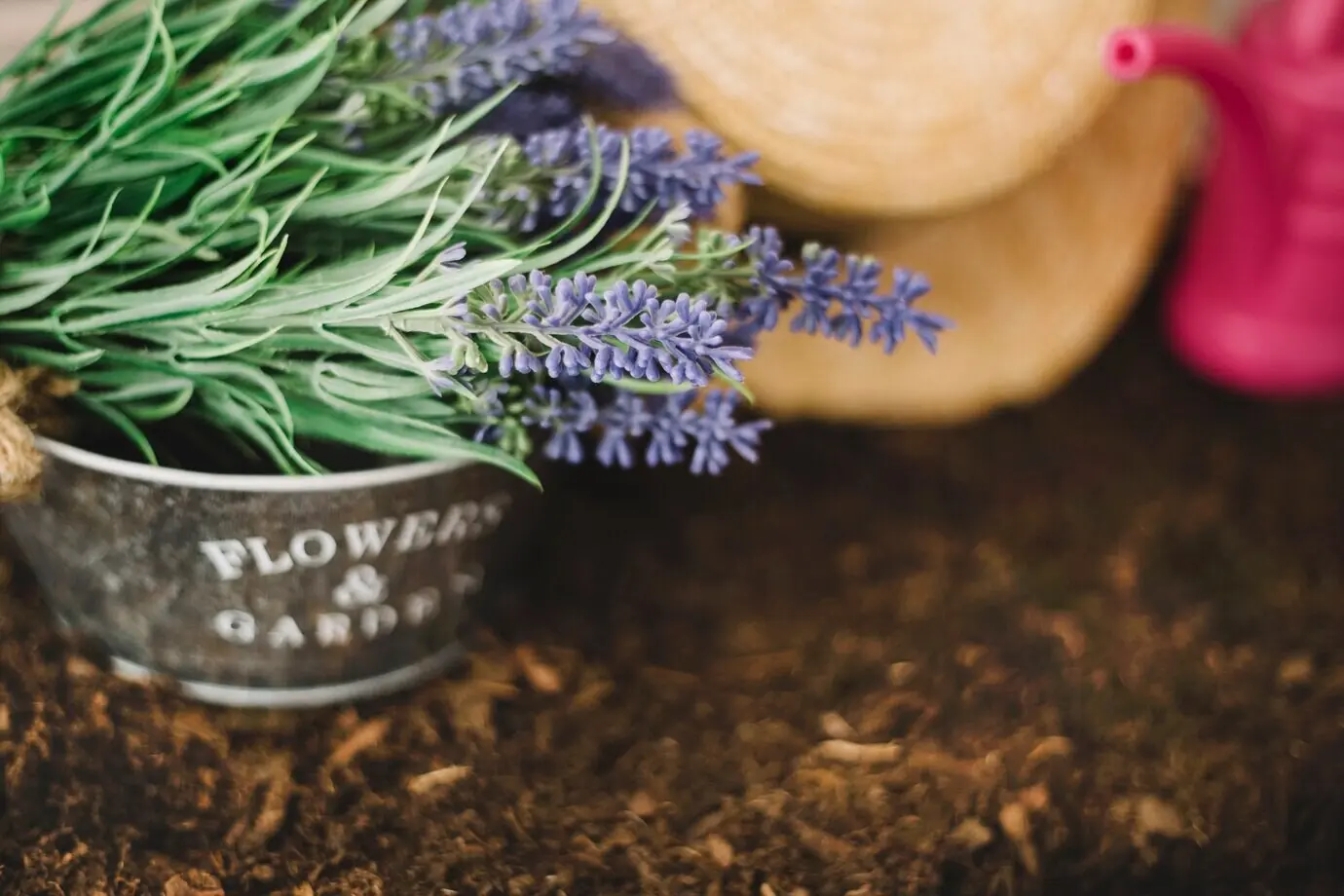
Classic garden herbs offer a comforting bridge between kitchen and apothecary. Lavender yields balanced calm; chamomile brings mellow sweetness; rosemary adds brisk clarity. Use freshly dried sprigs to concentrate aroma without water weight, and trim woody stems to fit snugly, ensuring even steam contact and smooth flow.
Citrus peels brighten mixtures with sparkling top notes, while cucumber lends coolness reminiscent of shaded garden paths. Consider lemongrass, geranium leaves, or bay. Always avoid waxed peels, and scrape pith lightly to prevent bitterness. Small test batches help confirm balance before committing a full pot to experimentation.

Combine fresh rose hydrosol with a balancing splash of lavender hydrosol, then add a tiny pinch of sodium PCA or glycerin if your skin loves humectants. Mist onto clean skin before serum. Tell us how it layers under sunscreen, and if your climate prefers lighter dilution.

Blend chamomile hydrosol with cucumber hydrosol and a whisper of aloe juice, shaken gently, then cooled in the refrigerator. Spritz after sun time or shaving. Share your tweaks, like adding panthenol or calendula glycerite, and whether evening application changed comfort, redness appearance, or next‑day smoothness.
Steep rosemary hydrosol with a mild dose of peppermint hydrosol for lift, then mist roots lightly or the inside of your pillowcase before bed. Report how aroma affected focus or rest. If sensitive, dilute further, and consider omitting peppermint for children or fragrance‑averse family members.
Hydrosols are mostly water and therefore hospitable to microbes. Refrigeration slows growth, but cannot guarantee safety over time. If you will store longer, open frequently, or share widely, consider a tested broad‑spectrum preservative matched to pH, and monitor clarity, scent, and date with consistent logs.
Choose amber or opaque bottles with fine misters, keep caps closed, and avoid touching the dip tube. Store cool, out of sunlight, and label clearly. Small containers reduce repeated exposure. If anything smells sour, cloudy, or unusual, retire the bottle kindly and prioritize well‑being.
Even gentle mists can surprise reactive skin. Start with a single spritz on the inner arm, wait a day, and observe. Share ingredients clearly when gifting, include your process notes, and invite feedback. Listening to recipients refines your craft and strengthens a caring, informed maker community.
All Rights Reserved.